



Special steels come in many varieties: key to unlocking the Industrial Revolution
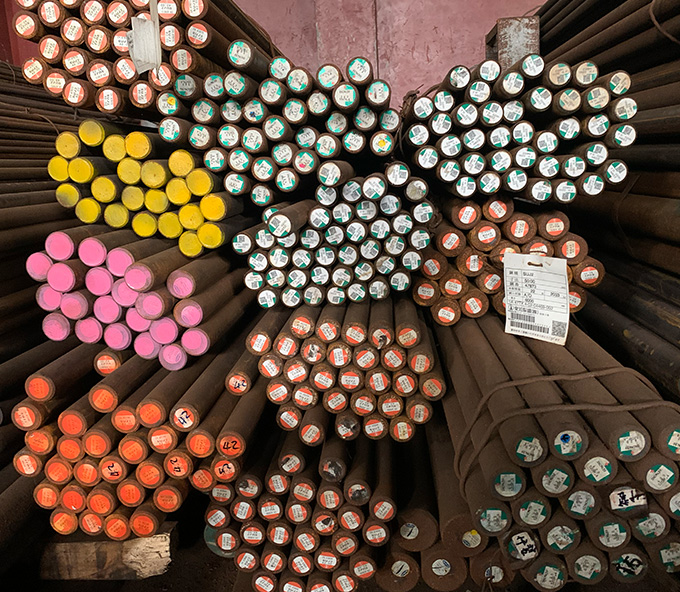
In modern society, we continuously benefit from the diversity of a key material: specialty steel. Specialty steel is not just a single type of steel, but rather comprises over 3,500 different grades, each with unique physical, chemical, and environmental properties to meet a wide range of application needs.
Special steel encompasses a very broad range, and can be categorized into multiple types based on its composition, properties, and applications. Different grades of special steel include carbon steel, stainless steel, alloy steel, high-speed steel, heat-resistant steel, and cemented carbide, each with its unique characteristics. This diversity stems from the continuous response to evolving needs and the pursuit of specialized properties.
In fact, approximately 75% of modern steel has been developed in the last 20 years, demonstrating the tremendous evolution of the steel industry. Engineers and scientists have created new types of steel to meet specific requirements by adjusting steel formulations. This evolution has not only changed our daily lives but also driven the development of many industries. For example, if the Eiffel Tower were to be rebuilt today, engineers would only need one-third of the original steel as reconstruction material, reflecting the superior performance of specialized steels.
The versatility of specialty steels has made them one of the main driving forces of the modern industrial revolution. The automotive industry is a prime example; modern cars use new types of steel that, in addition to higher strength and toughness, reduce vehicle weight by 35%, making them lighter, more environmentally friendly, and more fuel-efficient. Similarly, the aerospace industry is using lightweight specialty steels and alloys to improve aircraft performance and reduce energy consumption.
The diversity of specialty steels has not only fostered innovation but also driven the development of modern technology, making our lives more convenient, efficient, and environmentally friendly. This ever-evolving material plays a vital role in today's world and will continue to propel industrial development.